Using Activated Charcoal for Dogs, Other Pets and Livestock
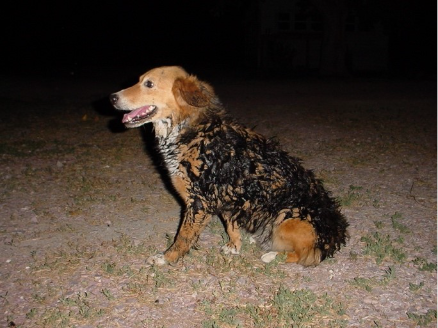
Annie was an avid believer in the power of activated charcoal for dogs. I said her middle name was, “Trouble.” Nevertheless, she lived to a decent old age, and from one trouble to the next she would receive activated charcoal in one form or another.
In 1831, in front of a large group of his peers at the French Academy of Medicine, French pharmacist Pierre Touéry reportedly drank a glass of deadly strychnine and survived to publish his story. There were no uncontrolled convulsions, no ill effects at all! Why? Because he had combined 15 grams of the poison (10 times the lethal dose) with an equal amount of charcoal.
In 1813, French chemist Michel Bertrand swallowed 5 grams of arsenic trioxide (150 times the amount that would have killed most people) mixed with charcoal. . Again, there were reportedly no serious symptoms or ill effects. In a dangerous but dramatic way, he avoided the consequences of ingesting the arsenic and demonstrated charcoal’s ability to hold certain poisons and reduce their absorption by the body. But don’t you try this at home! Obviously these men did not carelessly endanger their lives. By carefully observing laboratory animals [mostly dogs], they knew how powerful and fast charcoal worked to neutralize poisons. This was a century before the advent of the far more potent “activated” charcoal.
Trouble
For a time, we lived in an area of intensive chemically driven agribusiness. The fields were heavily sprayed with herbicides. The drainage ditches were barren of life. One evening, Annie [of unidentified breed] arrived home from her afternoon of adventures and it was soon apparent she was not well. She was first lethargic, then decidedly sick. Her beautiful brown eyes turned purple. We were at a loss to know what was going on. But when she began to pass bloody stools we immediately gave a large dose of VetDtox™ [activated charcoal for dogs and other pets], orally as a thick slurry. Within the hour, she began to recover and by the next day, seemed to be ready for more trouble.
Barbed wire
One evening, after dark, she came home matted in mud,no worse for wear it seemed. After scolding her, I carried her down to the laundry sink to wash her off. Next thing I knew blood was flowing everywhere. Evidently she had gotten tangled in a barbed wire fence and, in her struggle to get free, ripped the side of her chest badly. After our after-hours call to the local vet, we met up at his clinic, and within an hour he had her sedated, shaved, and stitched [30+] back together, and we were on our way home. She received her favorite dog food mixed with activated charcoal. The next day we began applying activated charcoal poultices to the incision. By day six, most of the hair grew back with only a quarter-inch area still to heal over.
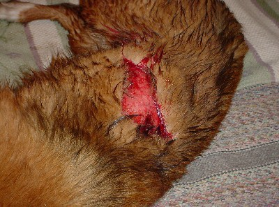
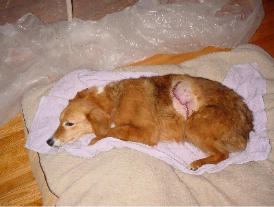
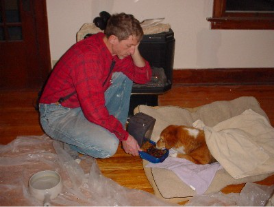
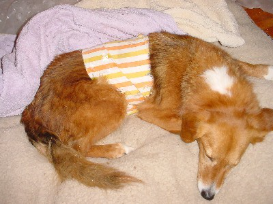
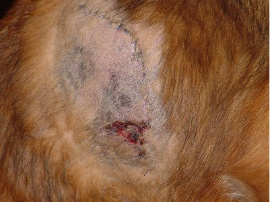
We moved to Nebraska ranch country that also has endless miles of barbed wire fences. This time Trouble (I mean Annie) caught her right front leg in a fence — the skunk got away. She said she did not want to go to the vet, so while she was lost re-living her adventure, she let me shave the area, stitch her (only 5 this time, with no anesthesia) and bandage her again with a charcoal poultice. Within the week, she was almost healed over.
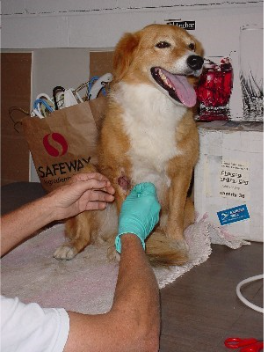
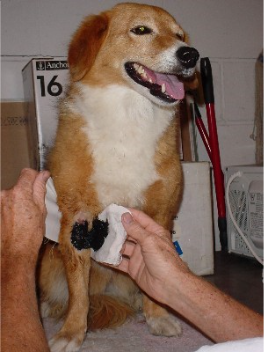
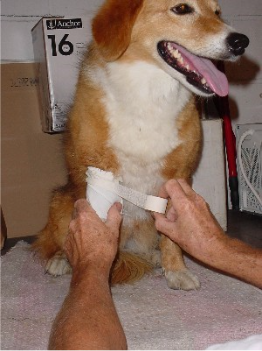
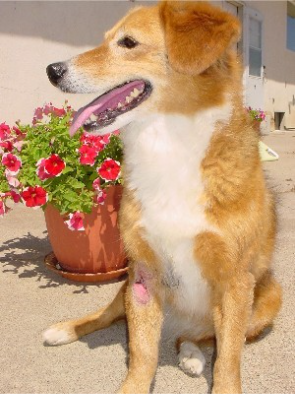
The next time, she caught the skunk. For Trouble, it seems many of life’s lessons need repeating.
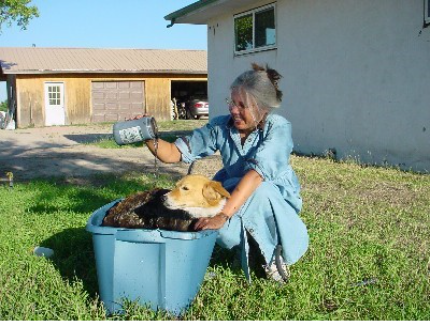
Her last stitch-up was the result of a neighbor’s dog, who left her with a bad gash next to her throat. Again she allowed me to shave and stitch her.
For Annie, living on the edge was what life was about.
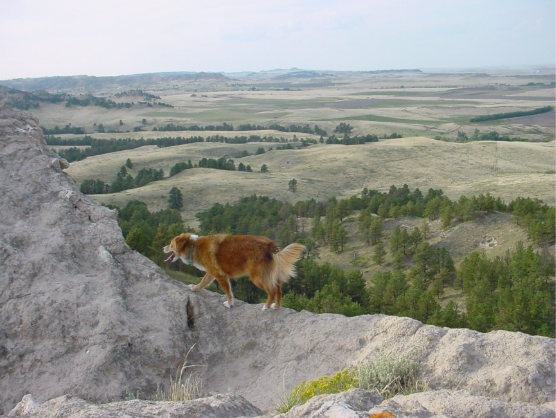
Old age finally settled in, and Annie filled out her adventures more sedately with an occasional preventive dose of her own charcoal treats. [https://charcoalhouse.com/charcoal-dog-biscuits-dog-breath.html]
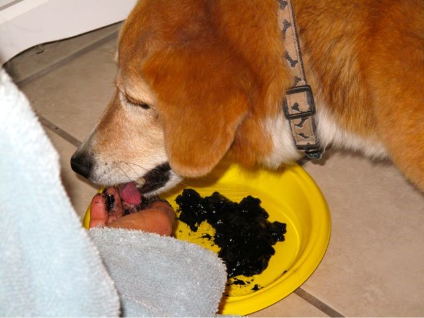
Barny
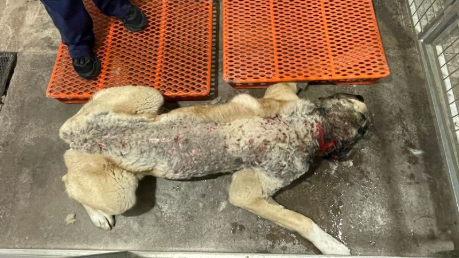
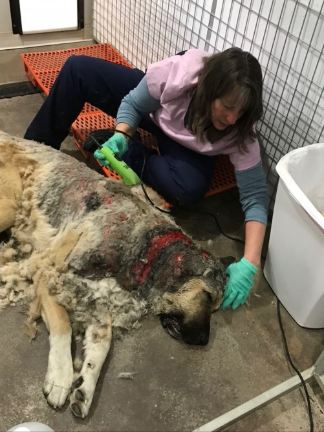
Barny [150-pound Romeo] went a-courting and got shot by the neighbor with a .410 firearm at close range. Dr. Regina saved his life but not his hide. After she removed all the pellets and part of his ear, Barny was on the road to recovery when he came down with an unstoppable case of Pseudomonas. After trying different antibiotics, Dr. Regina consulted “experts” who said there was nothing left that would help, not even Colistin. The verdict was to end his suffering. By this point, he had lost more than 50 pounds and was so irritable that no one could get close to him. Dr. Regina got signed permission from the owners to allow some experimenting. She contacted us, and Kimberly came over with a 2-gallon bucket of VetDtox™. Barny was anesthetized, then shaved almost nose to tail. Dr. Regina mixed the entire bucket into a paste and completely covered Barny with it. He looked like a burned corpse. The next morning, Barny woke up ready to eat. He is now back in his prime but sticks closer to home.
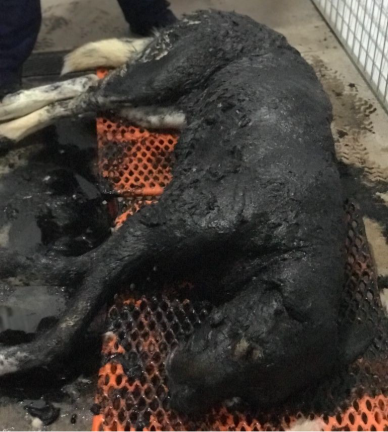
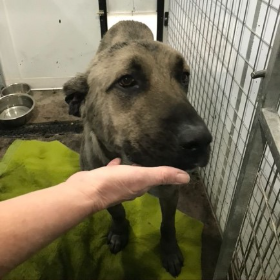
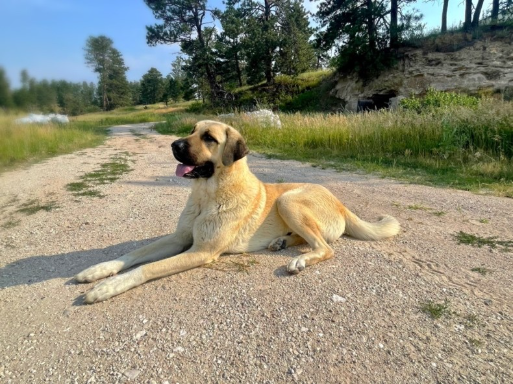
Hemoperfusion
A very specific activated charcoal for dogs and other small animals has been developed for use in a revolutionary application in hemoperfusion units. After hooking up an already comatose dog with a severe case of poisoning [5-10 times the lethal dose] the animal quickly begins to recover. Jeff Barnes, VP of ImmutriX Therapeutics, Inc. in Rapid City, South Dakota, explains, “We typically see 80% removal of a drug or poison in about 30 minutes, at which point the animal comes out of their coma and rapidly improves… We have saved 100% of the animals treated… The pitbull in the pictures ate a brand new bottle of Advil — a massive overdose…. 40x lethal amount.”
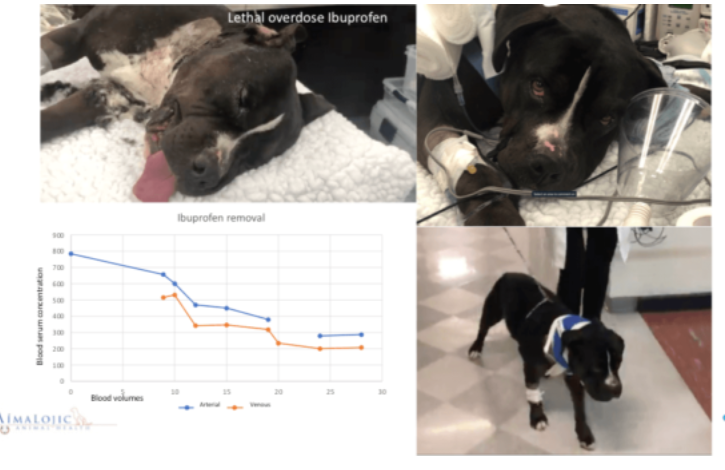
Immutrix has FDA clearance for its veterinary line of products, which were initially tested at several veterinary hospitals. The ability of these units to also remove specific cytokines in human trials is attracting more attention. While these blood filter products use synthesized activated “carbons,” what scientists recognized over 200 years ago is still very much true today: Activated charcoal can be an effective option for certain types of poisoning in dogs, other animals, and humans when used appropriately.
Activated charcoal can play an important role in managing certain poisoning cases in dogs and other animals.
Wild animals
Did you know wild animals will naturally forage on charcoal left after wildfires? I have pictures of free-range buffalo in northwest Nebraska scavenging charcoal from controlled forestry burns. I have watched wild elephants in India blowing away ashes and then gathering up charcoal to crunch on. Troops of wild monkeys rummage through piles of burned village garbage, looking specifically for charred wood. Some tribes of monkeys are so advanced that they regularly steal from open air vendors selling cooking charcoal.
The red colobus monkeys on Zanzibar island, Tanzania, prefer leaves of the exotic Indian almond and mango trees. These trees yield leaves high in protein, but secondary compounds called phenols can give the monkeys significant indigestion.

Red colobus monkeys searching for charcoal, Jozani forest, Zanzibar, Tanzania
What could these animals eat to counteract the toxins while retaining nutritional benefits? For six years, anthropologist Thomas Struhsaker, of Duke University, studied the fascinating feeding behavior of the Tanzanian red colobus. Besides having a preference for almond and mango leaves, they also eat charcoal from charred stumps, logs, branches, and from man-made kilns. “They really go after the charcoal,” he reports “Bigger monkeys try to take charcoal away from smaller ones. And they come down from the trees to grab pieces much bigger than they can possibly eat, carrying it off with two hands.” University of Wyoming chemist David Cooney showed that charcoal has a high adsorptive capacity for phenols. But, while the toxic phenols adhered to the charcoals, the proteins did not. Interestingly, birth rates and population densities of the red colobus are significantly higher where charcoal is found in conjunction with almond and mango trees than where there is no charcoal.*
Questions
“Can I give my dog activated charcoal pills? Wild animals would tell you, “Of course!”
“How much activated charcoal to give a dog?” The appropriate amount of activated charcoal depends on the animal, its size, and the situation. Follow recommended product directions or consult a veterinarian for guidance.
“What is the activated charcoal dosage for dogs?” See recommended dosage chart below.
“What about charcoal for goats and other livestock?” See chart below.
Charcoal Supplements
Activated charcoal is commonly used in animal care for its ability to adsorb certain unwanted substances in the digestive tract. When used as a supplement, it should be provided according to appropriate feeding guidelines.
Notice these benefits seen by the Food & Fertilizere Technology Center (Asia Pacific Region in cooperation with Kwang Hwa Jung National Livestock Research Institute (NLRI) Rural Development Administration (RDA), Suwon, Republic of South Korea) when feeding charcoal powder to domestic animals including cattle, pigs, and poultry:
- increase in milk production for cattle
- decrease in mastitis
- reduction in mortality for pigs and laying hens
- overall disease reduction
- improved feed-to-weight ratio of pigs
- 50% reduction in the offensive smell of manure
Longevity
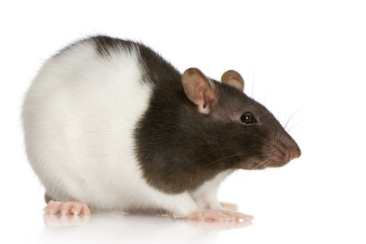
In one animal study, renowned Russian gerontologist Dr. V. V. Frolkis and his colleagues demonstrated that the lifespan in old laboratory rats increased up to 34% by adding charcoal to their diets. Toxins, including free radicals, are believed to play a significant role in aging. But these “loose cannons” form a stable matrix with charcoal in the gut until they are eliminated from the body. Researchers concluded that binding toxins in the intestinal tract before they are absorbed or reabsorbed into the system may have allowed the rats to live longer and healthier.**
In a study published in Biomaterials (January 2012), a team of eight researchers, mostly from the University of Paris Department of Pharmacology, accidentally discovered that the C60 carbon molecule, also known as Buckminsterfullerene, extended the lifespan of laboratory rats by up to 90%. It is suggested somehow the C60 adsorbed/neutralized/deactivated oxidative stress radicals. How convenient for us that fragments of these super molecules are found in common charcoal!
Seeing is Believing
Wound Treatment
Colt bitten by Brown Recluse Spider
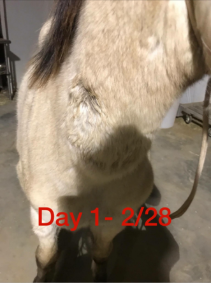
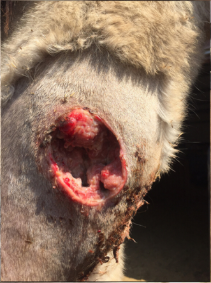
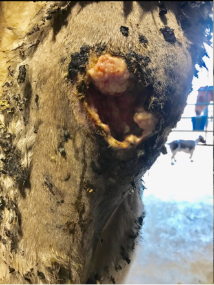
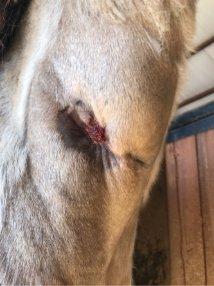
Day 1 – day the wound was identified.
Day 10 – activated charcoal powder arrived.
Day 11 – first charcoal treatment — charcoal “mud” applied directly into wound.
Day 19 – only 8 days later — seeing is believing.
Horse hit by truck
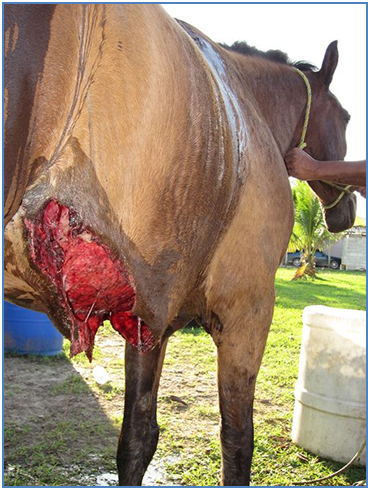
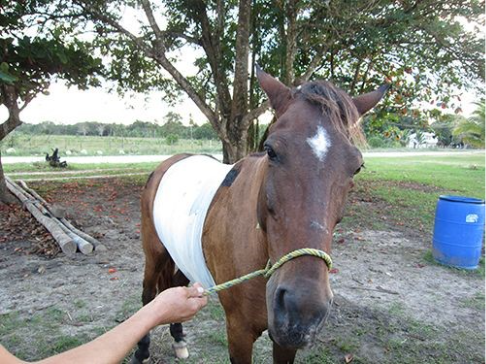
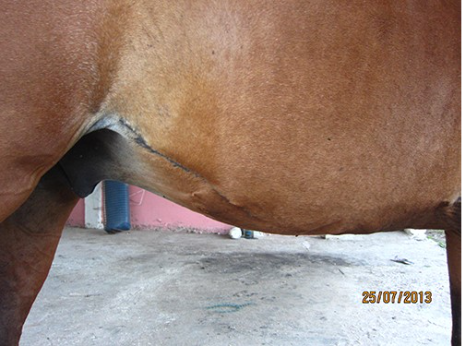
Day 1 – Day of the accident – Vet refused to come to treat an animal that was going to die.
Day 2 – Applied giant charcoal poultice to massive wound and charcoal directly to smaller wounds.
5 months — dressed twice daily – NO stitches
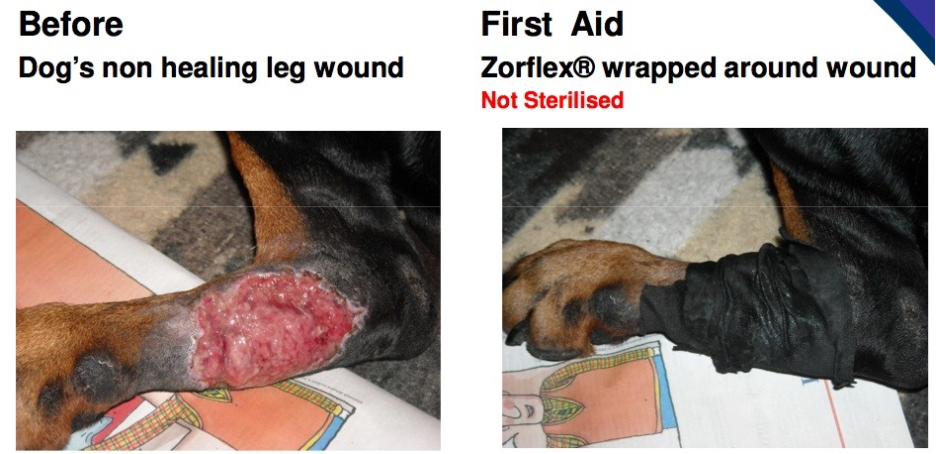
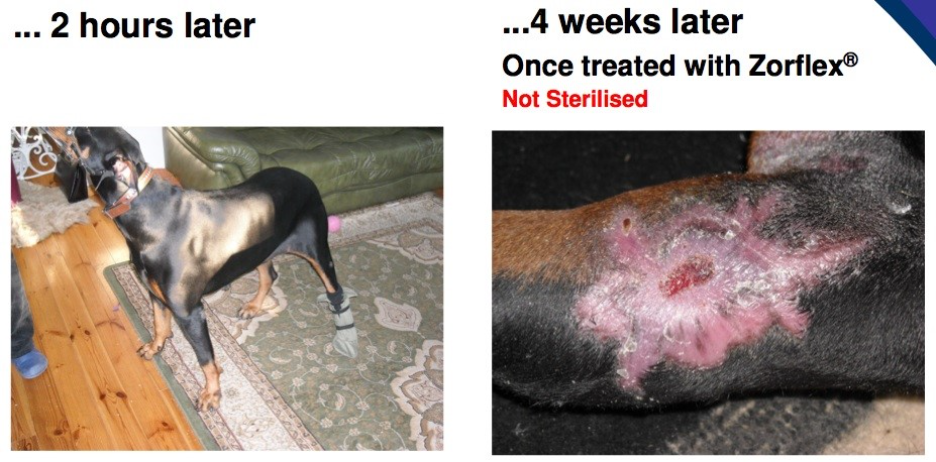
Open Cancer
#1 – Dog unable to walk because of intense pain from open cancers
#2 – Wound wrapped with non-sterilized activated charcoal cloth
#3 – 2 hours after applying, dog is able to walk.
#4 – After four weeks the open cancer wound is completely healed over.

Activated charcoal is a simple, naturally derived product that has applications in the care of dogs, horses, livestock, and other animals. While many products advertise “no animal testing” (and for good reason), that is not the case with activated charcoal. . When used appropriately, activated charcoal can be a useful addition to an animal-care routine. That’s one reason why the military includes activated charcoal in first aid kits. That’s the same reason why the World Health Organization lists charcoal as an “essential medicine.” That’s why the USDA National Organic Program affirms charcoal’s undisputed reputation for removing extremely toxic compounds including mycotoxins, synthetic pesticides and in the treatment of certain cases of drug overdose in livestock.
Ethics
With all the weight of evidence in favor of activated charcoal in the treatment of sick and poisoned animals, why do some zealous authorities in America limit the use of charcoal in animal feed? Supposedly because of unethical livestock owners who will knowingly supplement charcoal with the intention of eliminating or minimizing the effect of the bad feed. In 2002, the OMRI position paper on charcoal restricted its use in daily animal feed because of unscrupulous, unethical livestock owners. But farmers and animal owners can still administer charcoal as a supplement when animals are sick.
- The above stories, and others, can be found at CharcoalRemedies.com [https://charcoalremedies.com/charcoal-for-pets-and-livestock/]
Are there some other charcoal applications you would like us to cover in future articles? Leave us your feedback.
Recommended Dosage Chart for Diarrhea [VetDtox™]:
Horses, cattle 50 – 200gm
Foals, calves, pigs, sheep, goats 15 – 50gm
Piglets, lambs, dogs, cats 3 – 10gm
Poultry, birds 1 – 2gm
Dosage for poisoning:
0.75 g per kg of body weight, or approximately 1 tablespoon per 30 lbs of body weight. For suspected poisoning, consult a veterinarian to determine whether activated charcoal is appropriate.
* CharcoalRemedies.com The Complete Handbook of Medicinal Charcoal & Its Applications p. 171
** CharcoalRemedies.com p. 60
Author
John Dinsley is the author of “CharcoalRemedies.com The Complete Handbook of Medicinal Charcoal & Its Applications” [2005]. He and his wife Kimberly are owners of Charcoal House. Together they travel domestically and internationally conducting workshops on the prevention and treatment of common diseases using simple natural remedies.